

Oluwajoba Olamide Omolade
Wildfire Risk & Severity Analysis Using Environmental Data
Oluwajoba analysed environmental data to understand where wildfire risk is highest and what drives severity. Similar analysis helps a business price risk, plan resources and make better location-based decisions.
ExcelData visualisation
The business question
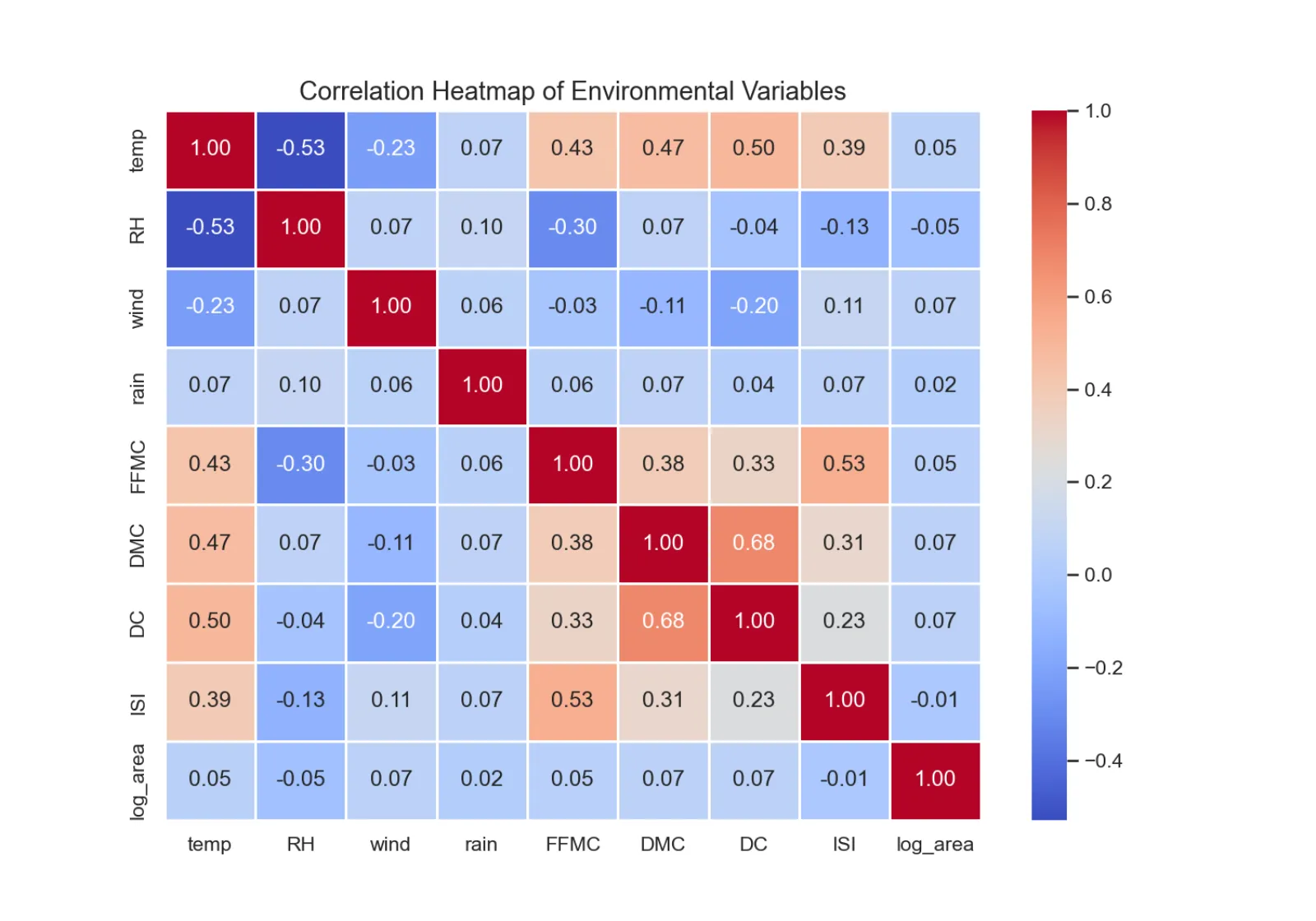
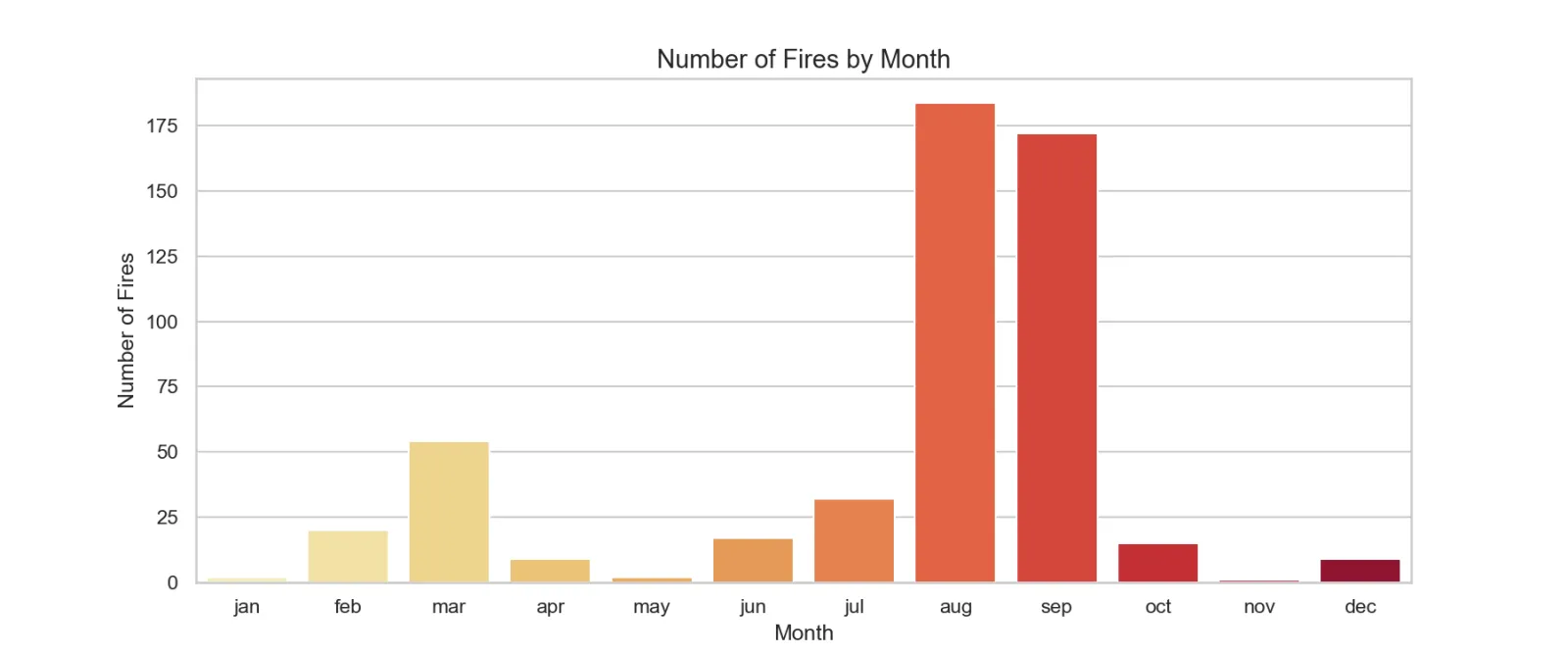
Which environmental conditions make a wildfire more likely to become severe, and when is risk highest?
Project visuals
What the project demonstrated
- Combined environmental variables to profile wildfire risk across areas.
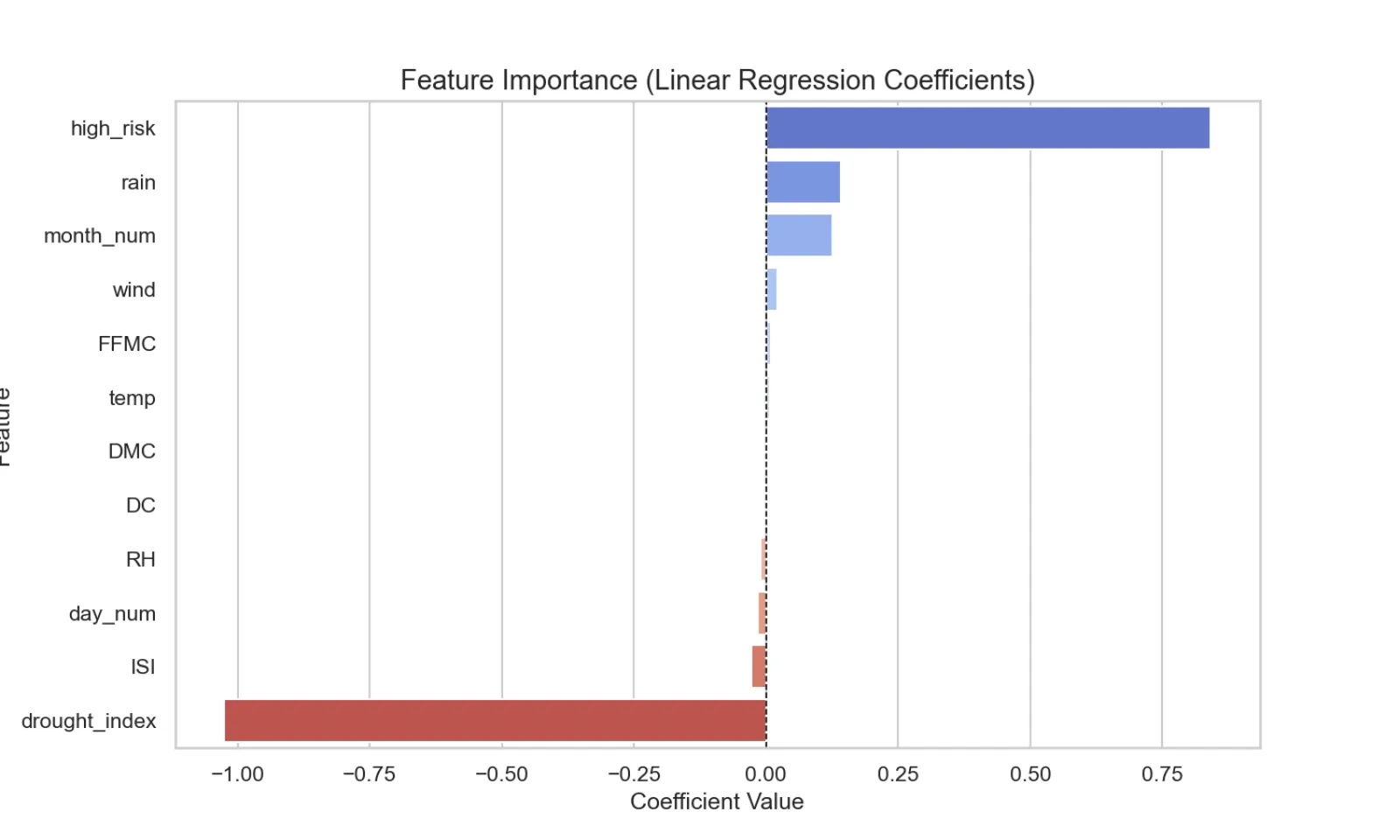
- Analysed which conditions are associated with more severe fire events.
- Presented findings visually so non-technical readers can act on them.
How similar work could help a business
The points below are illustrative applications of this kind of work — not results delivered for a client.
- Risk profiling of this kind can inform insurance pricing, site selection and contingency planning.
- Understanding severity drivers helps organisations direct prevention budgets where they matter most.
- Clear visual reporting shortens the time between analysis and decision.
Measures this kind of work tracks
Risk factors analysedSeverity drivers identifiedAreas profiled